ESTPs and the Enneagram

When it comes to merging these two major typology systems: Myers-Briggs and the Enneagram, there is no “one size fits all” method. Truly any type combination is possible making not just 16 personalities or 9 personalities, but 144 different expressions!

Each typology system offers incredible personal insight but is incomplete on its own: where Myers-Briggs delves deeply into cognitive functions and how intricately the brain learns and processes information, the Enneagram offers insight into emotional health, childhood experiences, and basic driving human instincts. Using these typology systems in conjunction will not only give you a better understanding of yourself as a person, but will help shape your relationships and guide you toward a more successful and happy future!

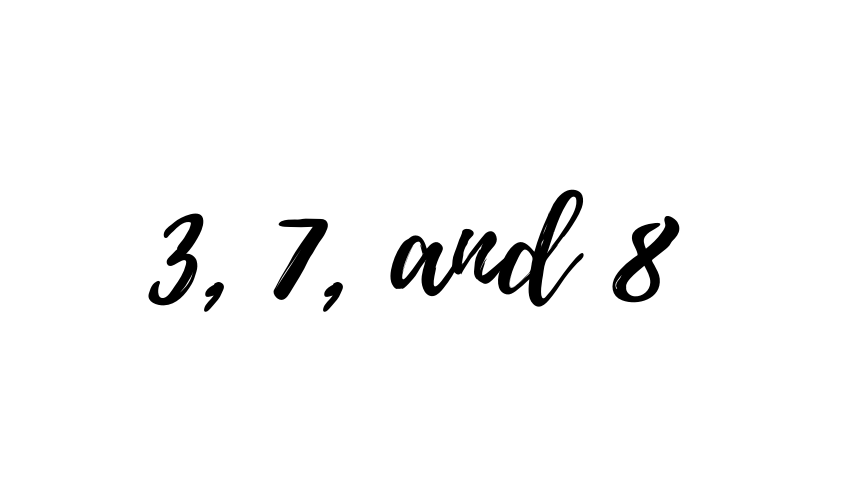
Below you can find a description of the three common Enneagram types for ESTPs.

ESTP Three “The Achiever”

ESTP Threes are driven, bold, and are not afraid of a little hard work. These types often put their nose to the grind and use their cognitive functions to their advantage in the workplace. More self aware than other ESTPs, they use their tertiary Extroverted Feeling/Fe function to get ahead of the competition and navigate the social world of business, entrepreneurship, and success. ESTP Threes can be ruthless in their pursuit of achievement and should be conscious not to manipulate others for personal gain.

ESTP Seven “The Enthusiast”

ESTP Sevens have an infectious zest for life. These types avoid emotional negativity and are the stereotypical “party animal” sevens. ESTP Sevens may identify themselves as extroverts more quickly than other ESTP types. Their need for thrill and excitement may lead them down adventurous (and potentially dangerous) paths. They are bold, energetic, and react to their physical environment with ease and skill. These ESTPs should be conscious to engage their auxiliary Introverted Thinking/Ti function in healthy, productive ways in order to fully develop as a person.

ESTP Eight “The Challenger”

ESTP Eights are bold, confident, natural leaders. These ESTPs hate being controlled and have an incredibly rebellious nature. Good luck trying to get an ESTP Eight to do what you say just because you “said so.” For these logical, strong-willed personalities they need to hear “the why” behind every instruction before subscribing to the plan. When an ESTP Eight is on board, though, they are nearly unstoppable. These types will be incredibly loyal to their people and guard over their families with intense commitment. ESTPs Eights should pay careful attention to their tertiary Extroverted Feeling/Fe function and develop skills here to help them excel in various social situations.
ESFPs and the Enneagram

When it comes to merging these two major typology systems: Myers-Briggs and the Enneagram, there is no “one size fits all” method. Truly any type combination is possible making not just 16 personalities or 9 personalities, but 144 different expressions!

Each typology system offers incredible personal insight but is incomplete on its own: where Myers-Briggs delves deeply into cognitive functions and how intricately the brain learns and processes information, the Enneagram offers insight into emotional health, childhood experiences, and basic driving human instincts. Using these typology systems in conjunction will not only give you a better understanding of yourself as a person, but will help shape your relationships and guide you toward a more successful and happy future!

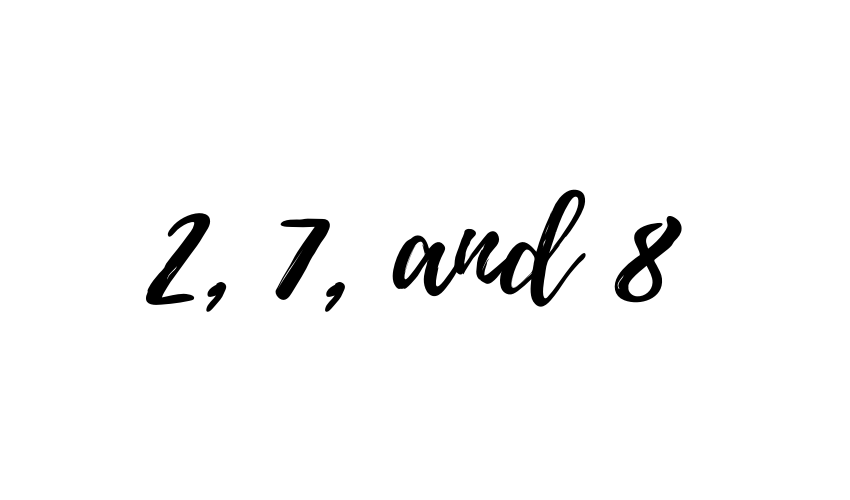
Below you can find a description of the three common Enneagram types for ESFPs.

ESFP Two “The Helper”

ESFP Twos have a social spirit and caring nature. In general, the Fi and Fe cognitive unction functions are typically associated with Enneagram Twos, so this ESFP will usually have a strongly developed Introverted Feeling/Fi auxiliary function. These types are incredibly empathetic and willing to do anything for their close family and friends. They may be prone to attention-seeking and love when others appreciate them.

ESFP Seven “The Enthusiast”

ESFP Sevens because have a need to be personally free and a tendency to avoid emotional negativity. These ESFPs are incurable optimists (sometimes to their own detriment) and will always point out the silver lining. More than anything else, these types hate being controlled and want to pave their own path in the direction of their dreams. In terms of cognitive functions, Se will be the natural driver and Fi will often get neglected when the going gets tough and emotional weight is piled on. These ESFPs should be conscious of Se-Te loops and take active measures to healthfully engage auxiliary Fi.

ESFP Eight “The Challenger”

ESFP Eights have a bold nature and natural confidence. These types often show a more developed tertiary Extroverted Thinking/Te function whic fuels their competitive side and helps them maintain decisiveness. ESFP Eights will be self-reliant trendsetters who use their social prowess to dominant their environment. These types should be especially conscious of Ni-inferior: when healthy this function can provide wisdom and foresight, when unhealthy these types can jump to false conclusions and land in unfortunate situations.

INTPs and the Enneagram

When it comes to merging these two major typology systems: Myers-Briggs and the Enneagram, there is no “one size fits all” method. Truly any type combination is possible making not just 16 personalities or 9 personalities, but 144 different expressions!

Each typology system offers incredible personal insight but is incomplete on its own: where Myers-Briggs delves deeply into cognitive functions and how intricately the brain learns and processes information, the Enneagram offers insight into emotional health, childhood experiences, and basic driving human instincts. Using these typology systems in conjunction will not only give you a better understanding of yourself as a person, but will help shape your relationships and guide you toward a more successful and happy future!

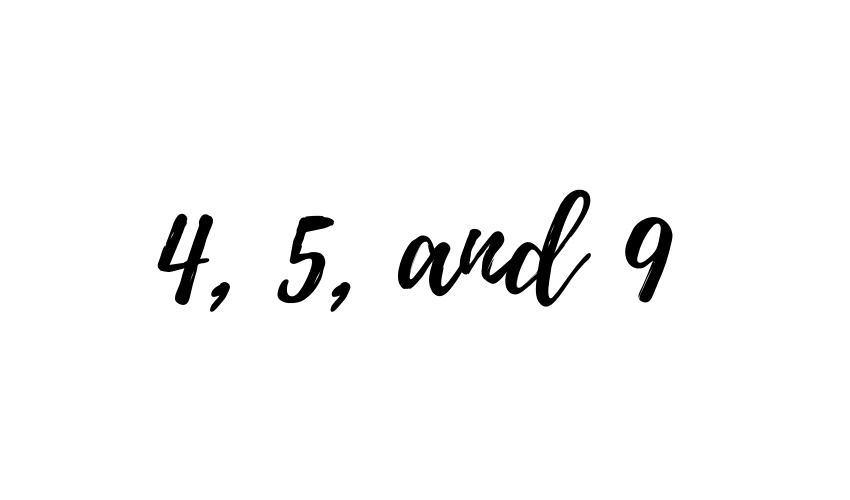
Below you can find a description of the three common Enneagram types for INTPs.

INTP Four “The Individualist”

INTP Fours want to make a considerable difference in the world and use their unique minds to leave a legacy. These INTPs lean toward more intellectually creative outlets and make for skilled art critics. At their core, INTP Fours will feel like their worth is tied to how innovative they are and might put themselves down if they don’t meet their own high expectations.

INTP Five “The Investigator”

INTP Fives are naturally in-tune with their dominant Introverted Thinking/Ti function. They think before they act, piece apart an idea before they form an opinion on it, isolate often, and are intensely perceptive. These INTPs may need help maturing and expanding their auxiliary function Extroverted Intuition/Ne, which desires new experiences, so they avoid staying trapped in old patters of thinking. They should be aware of Ne and careful not to succumb to dominant-tertiary loops.

INTP Nine “The Peacekeeper”

INTPs Nines have a desire for social harmony and peace because of their Extroverted Feeling/Fe-inferior function. These INTPs likely have a better developed inferior function than other INTPs. They use their natural strengths of mental sharpness and concept exploration to pursue ideas which merge well for the group. INTP Nines may be a little more socially bent than other INTPs and use this connection with people to help expand their rich inner world. INTP Nines often feel caught between paradoxical needs for self isolation and for social connection (they do well to set boundaries to remain emotionally and mentally balanced).

INFPs and the Enneagram

When it comes to merging these two major typology systems: Myers-Briggs and the Enneagram, there is no “one size fits all” method. Truly any type combination is possible making not just 16 personalities or 9 personalities, but 144 different expressions!

Each typology system offers incredible personal insight but is incomplete on its own: where Myers-Briggs delves deeply into cognitive functions and how intricately the brain learns and processes information, the Enneagram offers insight into emotional health, childhood experiences, and basic driving human instincts. Using these typology systems in conjunction will not only give you a better understanding of yourself as a person, but will help shape your relationships and guide you toward a more successful and happy future!

Below you can find a description of the three common Enneagram types for INFPs.

INFP Four “The Individualist”

INFP Fours are highly in touch with their dominant Introverted Feeling/Fi function and have a deep desire to make a meaningful impact in the world. These INFPs will be very creative and nearly obsessed with making others understand their most authentic self. At their core, INFP Fours will feel like their worth is tied directly to how interesting and unique they are. As they express their individuality, they may feel distanced from others.

INFP Six “The Loyalist”

INFP Sixes want to make an impact that will give them personal security and dependable relationships. These INFPs perceive their weaknesses in the third and fourth cognitive functions and subconsciously want to develop them. The immaturity of these functions often mean that the INFP Six will feel unable to truly satiate their desire for security and consistency. Because of this tumultuous relationship between their cognitive functions, INFP Sixes might find themselves more anxious than their INFP peers. These types will likely associate security with emotional connection and feel safe only insofar as they are connected with their friends and family in a very personal and vulnerable way. If any ties were broken in this regard, an INFP Six will quickly mend the broken relationship.

INFP Nine “The Peacekeeper”

INFP Nines have an innate desire for personal peace. Their dominant Introverted Feeling/Fi function seeks inner harmony and wants to connect to something greater. INFP Nines might find themselves connecting to a higher power as a way to achieve this sense of peace and surpass themselves. Because of this, INFP Nines will usually be more spiritually bent than their INFP peers. Their auxiliary Extroverted Intuition/Ne will help them explore various avenues of spiritual growth — nature itself may become an avenue for spiritual expression and help grant these types a grounded sense of self and identity. INFP Nines are open, harmonious, emphatic, and authentic.

ENTPs and the Enneagram

When it comes to merging these two major typology systems: Myers-Briggs and the Enneagram, there is no “one size fits all” method. Truly any type combination is possible making not just 16 personalities or 9 personalities, but 144 different expressions!

Each typology system offers incredible personal insight but is incomplete on its own: where Myers-Briggs delves deeply into cognitive functions and how intricately the brain learns and processes information, the Enneagram offers insight into emotional health, childhood experiences, and basic driving human instincts. Using these typology systems in conjunction will not only give you a better understanding of yourself as a person, but will help shape your relationships and guide you toward a more successful and happy future!

Below you can find a description of the three common Enneagram types for ENTPs.

ENTP Three “The Achiever”

ENTP Threes will be a more rigid and achievement-oriented than other ENTP types. These individuals may have lofty career aspirations and use their Ne and Ti functions to help them climb the ladder of success. ENTP Threes likely have experienced success in their chosen professional career and are able to get their need for variety satisfied through frequent upward movement. By continuously learning new skills relevant to their chosen position, ENTP Threes will feel satisfied in their endeavors.

ENTP Seven “The Enthusiast”

Given the dominant position of Extroverted Intuition/Ne in their cognitive stack, it’s not surprising that ENTP often test as Enneagram Sevens. Thes types desire uninhibited freedom and struggle with emotional expression. ENTP Sevens are positive in the face of numerous challenges and optimistic in situations of great adversity. Vivacious and quick to try new things, these ENTPs will be more outwardly curious and physically adventurous than their peers. They are marked by wild escapades and joyful fearlessness.

ENTP Eight “The Challenger”

Most ENTPs seem to identify as Enneagram Eights. This lines up nicely with their reputation of being avid debaters and their keen ability to outshine other types during intellectual arguments. These ENTPs will have a particularly well-developed Ti function that enables them to back up Ne-boldness with spotless logic and indisputable facts. Because of their eloquence and aptitude for psychology and philosophy, these ENTPs will not feel as much of a need to “win” the approval of others so much as to educate them. ENTPs Eights show up to the world as confident, risky, and sure of themselves.

ENFPs and the Enneagram

When it comes to merging these two major typology systems: Myers-Briggs and the Enneagram, there is no “one size fits all” method. Truly any type combination is possible making not just 16 personalities or 9 personalities, but 144 different expressions!

Each typology system offers incredible personal insight but is incomplete on its own: where Myers-Briggs delves deeply into cognitive functions and how intricately the brain learns and processes information, the Enneagram offers insight into emotional health, childhood experiences, and basic driving human instincts. Using these typology systems in conjunction will not only give you a better understanding of yourself as a person, but will help shape your relationships and guide you toward a more successful and happy future!

Below you can find a description of the three common Enneagram types for ENFPs.

ENFP Two “The Helper”

ENFP Twos are people-loving and friendly. They have a well-developed Introverted Feeling/Fi auxiliary function which allows them to show up to the world as empathetic and sincere. Their inferior Introverted Sensing/Si function in their cognitive stack accounts for the sentimentality which many ENFP Twos experience. These types might feel more introverted because of their heavy reliance on Introverted Feeling in their day-to-day life. ENFPs Twos are bubbly and sincere, they put others needs above their own and might feel “duped” out of their own dreams as a result. The empathy of these types is difficult to match.

ENFP Four “The Individualist”

ENFP Fours want to leave a legacy and be unique. These ENFPs may be the more creatively bent than other ENFPs and prefer to associate with inspired, open, innovative minds. ENFP Fours often have a symbiotic Ne-Fi cognitive relationship which helps them balance new ideas with their creative moods and emotions. They have a strong sense of self, desire depth, and do not usually shy away from the darker sides of themselves. These types are keen to investigate and express every part of themselves.

ENFP Seven “The Enthusiast”

ENFPs Sevens have an aching need for variety, adventure, and absolute freedom. These types avoid being bound by obligations and picture an ever-evolving ideal version of themselves in which they are uninhibited and entirely free. These ENFPs are healthily driven by their dominant Extroverted Intuition/Ne and may have childhood experiences being sheltered. Their reaction to being “trapped” in their youngest years is to go out and experience quite the opposite in their 20s and 30s. ENFP Sevens may neglect Fi when faced with loaded emotional situations, in turn, they may appear friendly to everyone and truly vulnerable to very few. These individuals love adventure, are enthusiastic about new experiences, and yearn to materialize their daydreams.